Browse
Discover 1129 public constructed languages
Slevanjan
by Teymur
Slevanjan is language mainly spoken by Slevans (people of fictional country slevanja). This language includes fleshed out grammar,dictionary and alphabet. You can form coherent sentences and upkeep a conversation!
Proto-Estonian
by Waffle
Brithanainai
by Francisco
Linu Lunas Mih
by Al Bakiyye Conlang (Yapay Dil)
Linu is an artificial language built upon a "Theocentric Ontology of Action," which has encoded an existential hierarchy into its grammar.
Verana
by Eddy Ocane
Unieurolang
by Waffle
A language that every European can speak
Dice
by Waarmy
Phošug
by Ede
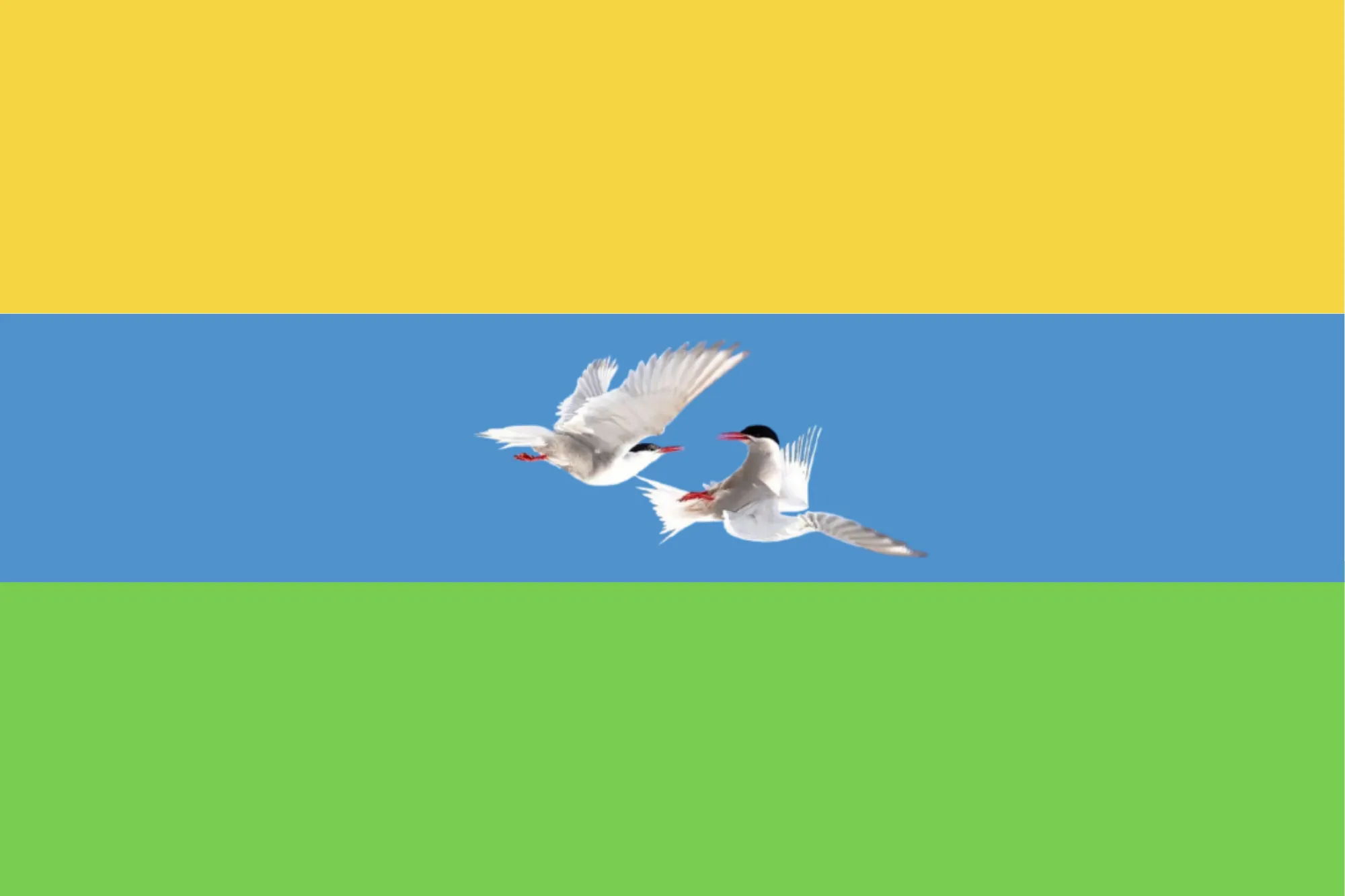
Phošug is the greatest friend for plurilingual people; vocabulary development often draws from etymological inspiration and conceptual association, as I believe phošugunda people were nomads who travelled around the world. The language follows a Complement + Verb + Subject word order, and uses heavy verbal fusion (e. g. 3SG sturu-eott-ot). The language can also be very emotional and sentimentally profound, with emotional phonetic particles (e.g. n', t', d' before the word) which subtly alter pronunciation to convey affective states.
Asteran
by Phil Leasure
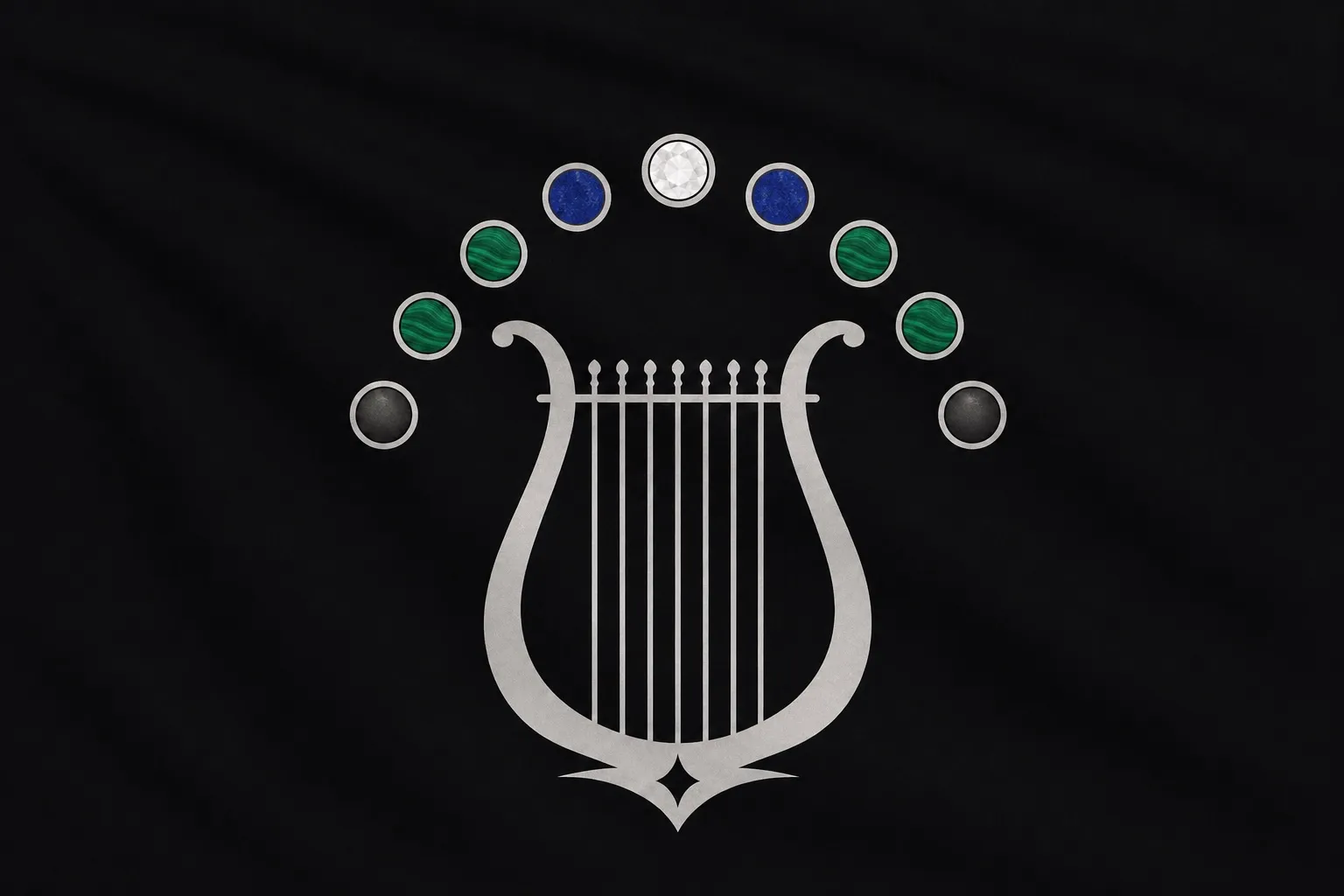
Asteran is the liturgical and institutional language of the Choir of the Nine Chords. It is a severe, choral, highly ordered language used for doctrine, ritual song, legal authority, and acts of containment. Its sound is clean and chantable, with pure vowels, long vowels, strict consonant rules, and a signature ts sound. Grammatically, Asteran is genderless, articleless, case-heavy, and mostly verb-final. Nouns decline for seven cases, adjectives agree in case and number, and verbs mark person, number, tense, mood, and passive voice. The language uses a base-9 number system, reflecting the sacred structure of the Nine Chords.
Neruañ Language
by Vorsitzenderin Sofia
Neruañ (/neˈrwaɲ/) is an Aruanian language spoken by the Newañi people of Nehañanun in the southern interior of Mukonia Island. Its relationship with Kendusyn, another Mukonian language, is widely debated, with possible deep Aruanian inheritance obscured by long separation and contact. Neruañ has been strongly shaped by Igniazi Bitiasau trade, placing it within the Greater Bitiasau Sprachbund. It is mainly SOV, head-final, suffixing, and agglutinative, with light (C)V(C) syllables, postpositions, evidential particles, switch-reference, and mountain-path directionals. Its vowels are /a e i o u ɨ/, with marginal older nasal vowels, and its consonants include /p t k ʔ m n ɲ ŋ s ʃ h t͡s t͡ʃ w j l r ɾ/, plus loan /b d g ɣ ʑ ɬ/. Stress is usually penultimate, though some old roots preserve final stress. Neruañ is known for body-part agency, no ordinary “I”, whole-being blame constructions, and Igniazi loans for trade, cloth, metalwork, law, and coastal life.
Chloquiana
by ChloeTheCool
Created in 2024 (not put on here until 2026) Chloquiana is a language specifically designed to be easy and efficient for communication. There's no formality, no verb conjugation, not a lot of varied vocab (like how "obvious" "apparent" and "clear" are all basically the same). It has 11 letters, each one exactly one sound, and there are no silent letters. It's a phonetic language. The motto of Chloquiana is "Simplicity, Comfort, Freedom." You can decide how you feel comfortable speaking. You're free to use different word orders, spellings, and vocab. Of course, it does have a few strict rules, as every language needs some, but it doesn't have a lot. This language is not yet finished, so not all information will be public yet. I will add more when I come up with it. Spoken by the Chocolate Milk Kingdom guards, then eventually the whole kingdom and all of Chloeland. (You can read the lore in the "Texts" section)
Amongani-B
by Eray Kopuz
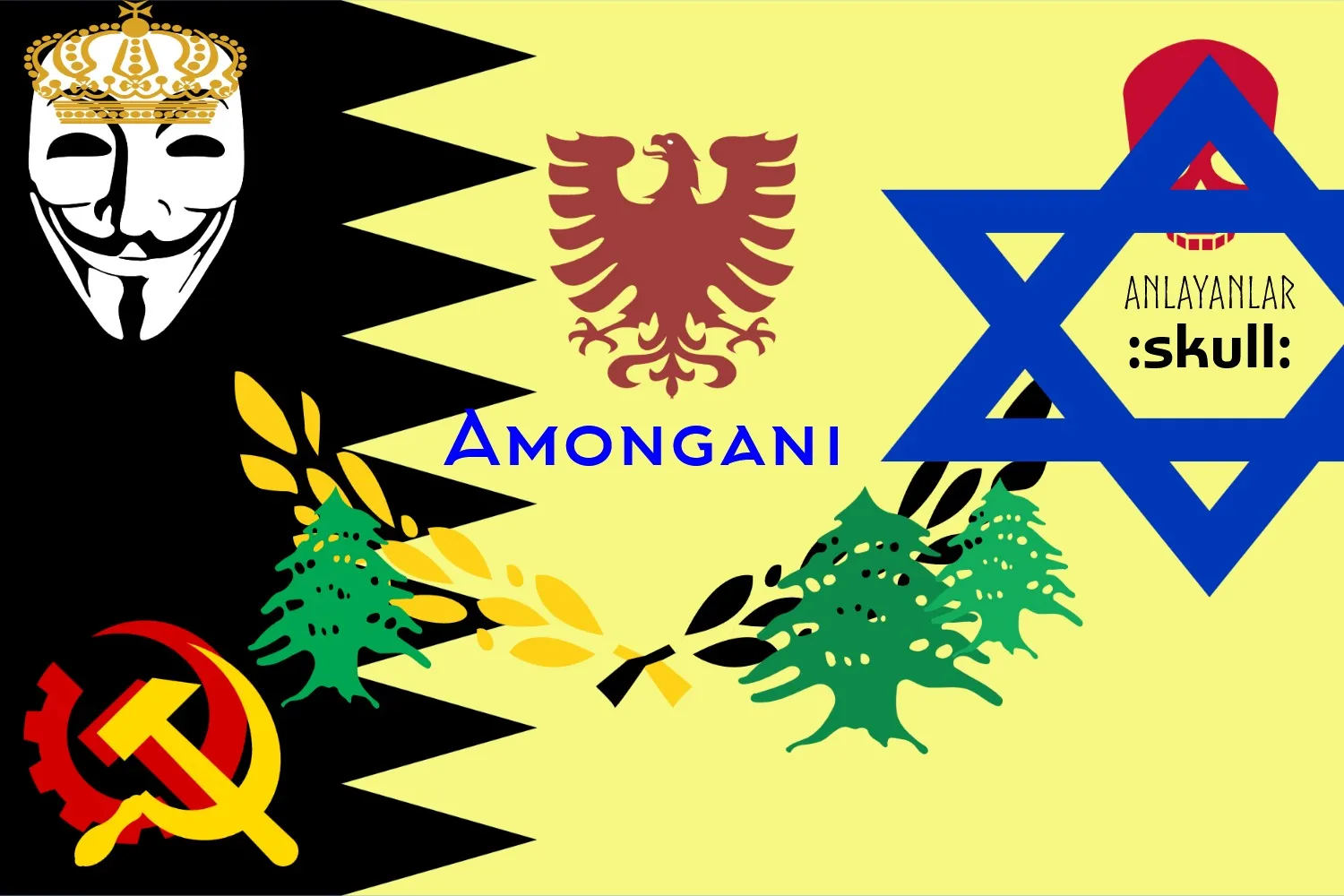
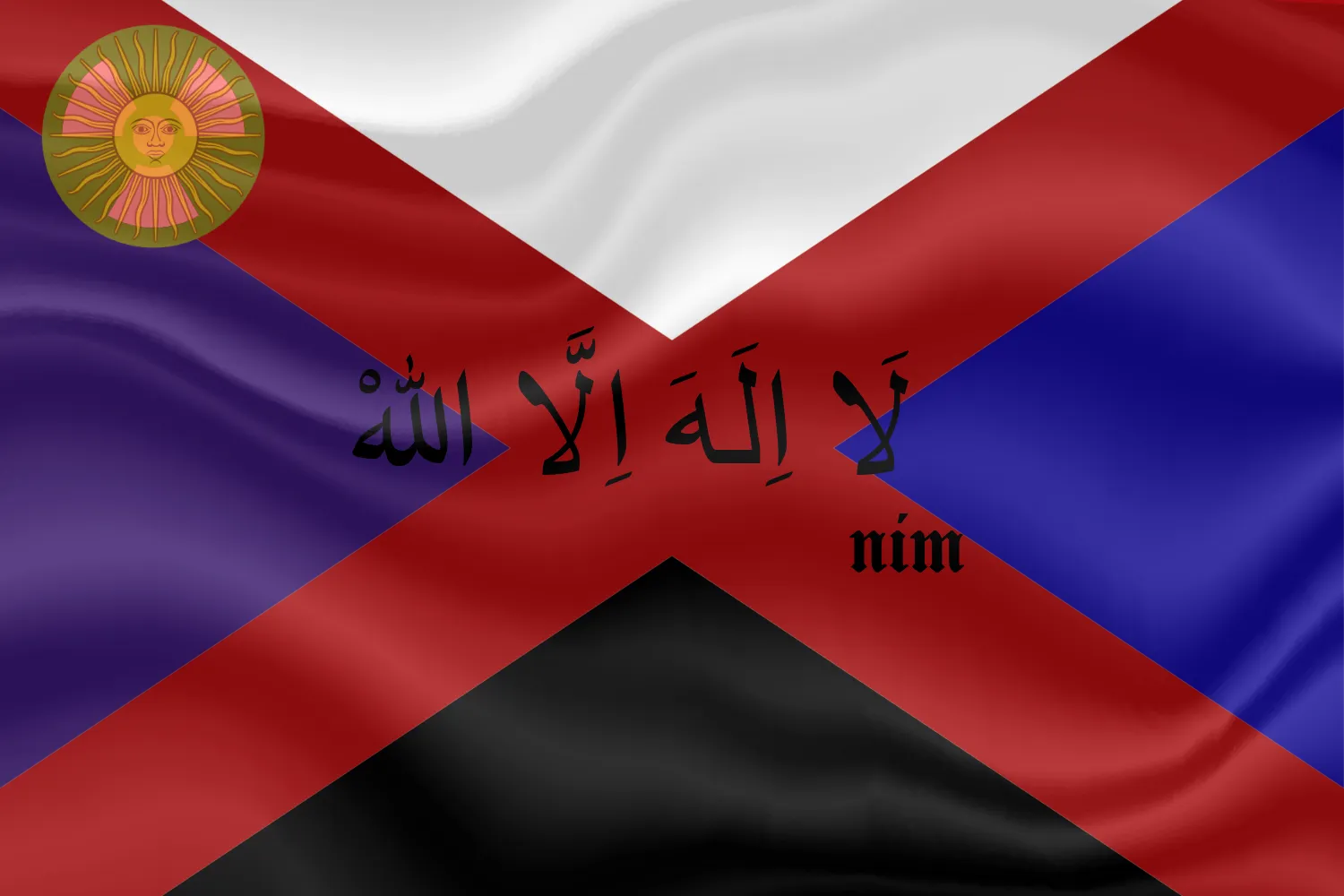
Special version of amongani that is used in Nim before the NİMpronouncationsTYPE .It was founded in 1998 but NİMpronouncationsTYPE was founded in 2005 after the coup in 2007 government changed the official language to NİMpronouncationsTYPE
Na kala
by Simon
No irregularity | Form means function | Sound harmony | Semantic transparency
zhanzi
by Satvik Udainiya
mostly by russian,arabic,hindi,european languages
elodoor
by Satvik Udainiya
suuuuuuuuuuuuuuuuuuper nice language
eloboor
by Satvik Udainiya
hi,this language is for everyone with basic gramar and a simple english like words with english svo.
NİMpronouncationsTYPE
by bilgisayar
Hoksong Min 福松話
by Ethan Crossman
Hoksong Min (also called Pacific Min) is a Southern Min language descended from 15th-century varieties of Hokkien, spoken in the Pacific Northwest country of Hoksong. It developed from early Ming-era settlement and subsequent isolation after the fall of the Ming dynasty, forming a distinct koine shaped by contact with Indigenous languages such as Lushootseed. The language retains core Min features, including tonal contrasts and analytic grammar, but shows phonological simplification and significant lexical borrowing related to local ecology and culture. Today, Hoksong Min functions as a regional lingua franca alongside English and serves as a key marker of cultural identity in Hoksong.
Amongani
by Eray Kopuz
Jadin
by Passordis waterbottle