Browse
Discover 1570 public constructed languages
azakiya
by Ar_H.G
fededral
by Jake Elsen
proto-language of the dral family
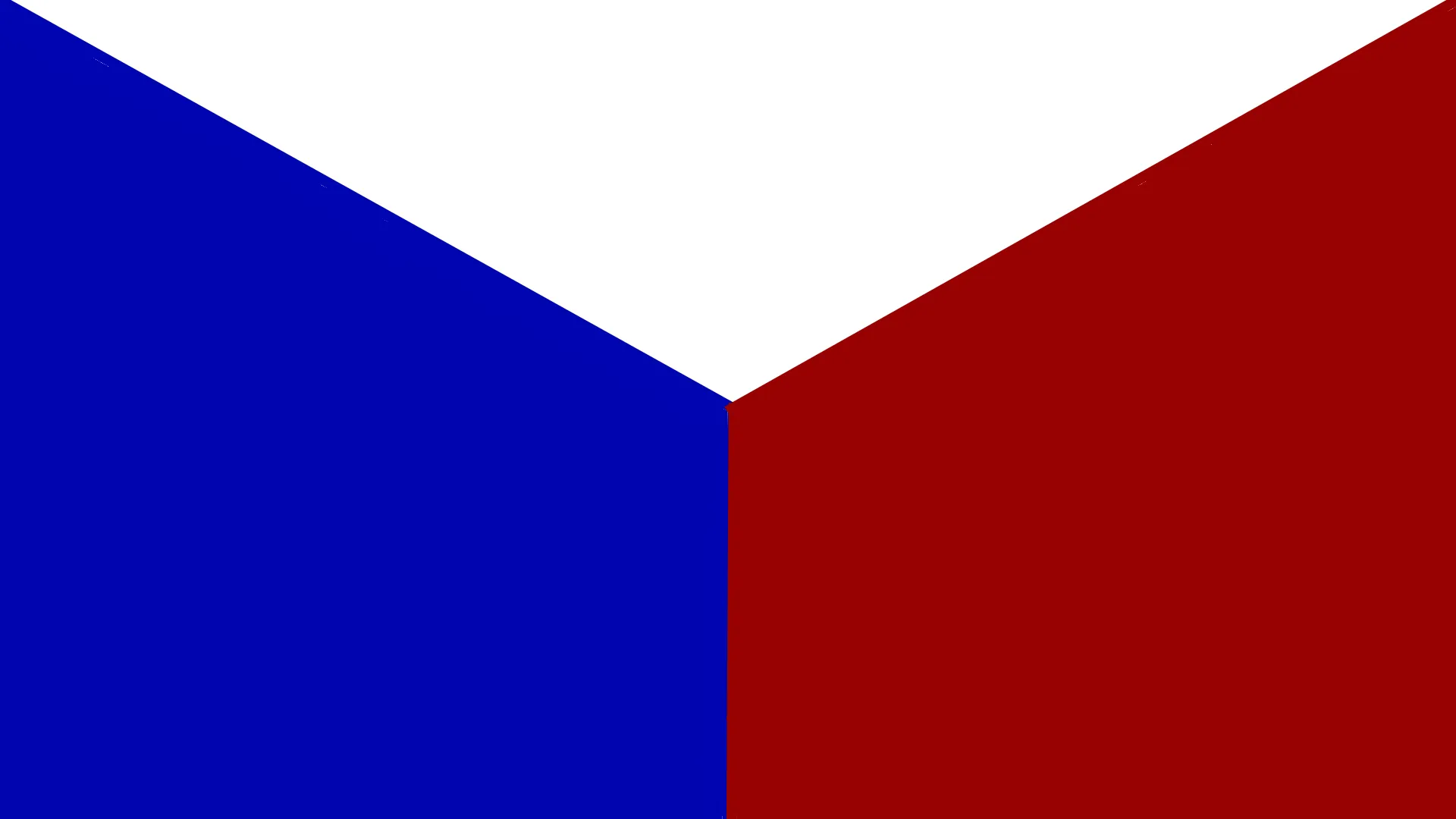
Miedźizapadosloviańščna
by Jakub Urbanczyk
Miedźizapadosloviański jezyk albo Miedźizapadosloviańščna je zonovopomocny jezyk za jeno zapadosloviańske jezyki. To ma žródla z polščny, češčiny, slovakščny a serbolužiščny, a tež kašubščiny a sleziščiny. Miedźizapadosloviańščna je jina od Miedźisloviańščny, jezyk za všetke sloviańske jezyki.
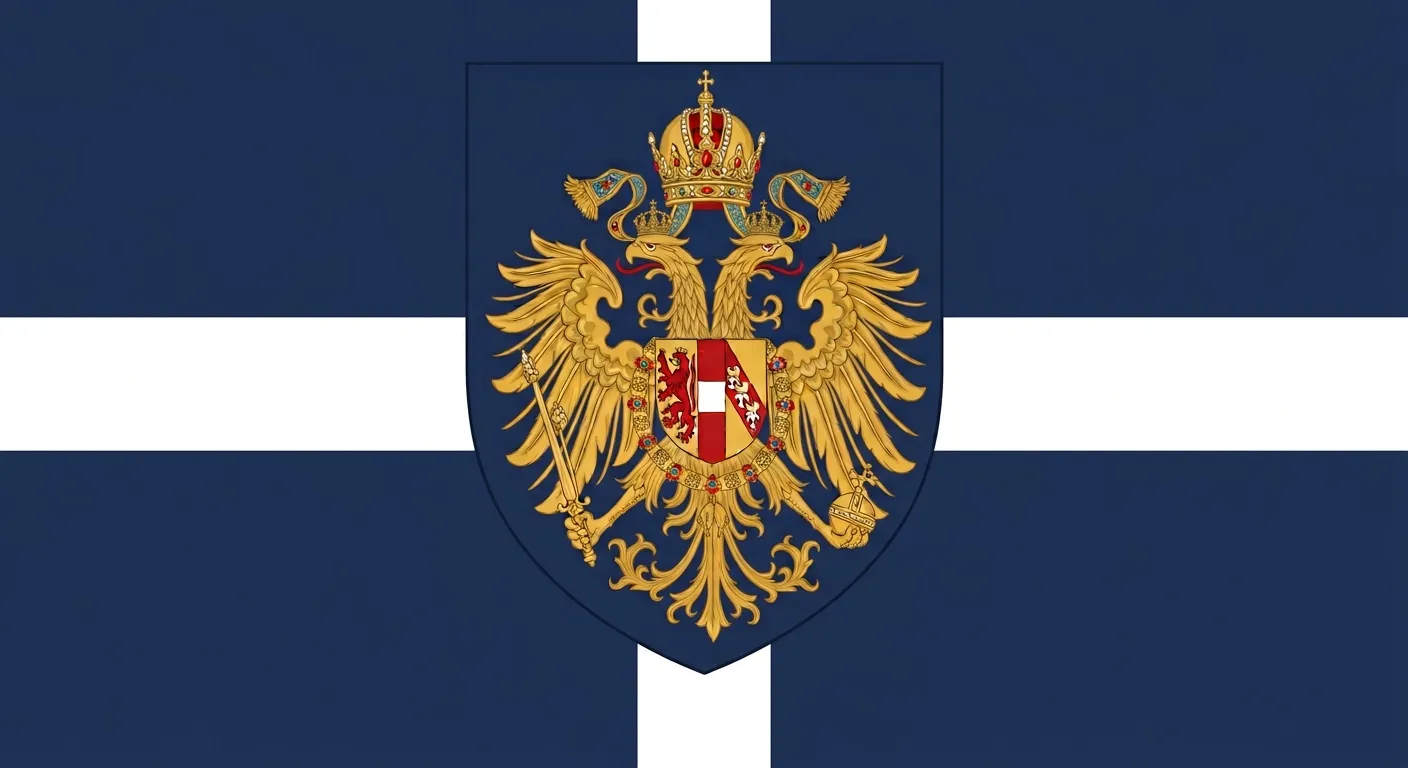
Lerrebeth
by Zouie Strait
Lerrebeth is a language modeled after Northern European—specifically Anglo-Celtic and North Sea—phonetic structures. It features a soft, rhythmic cadence marked by tapped consonants and quiet, breathy word endings.
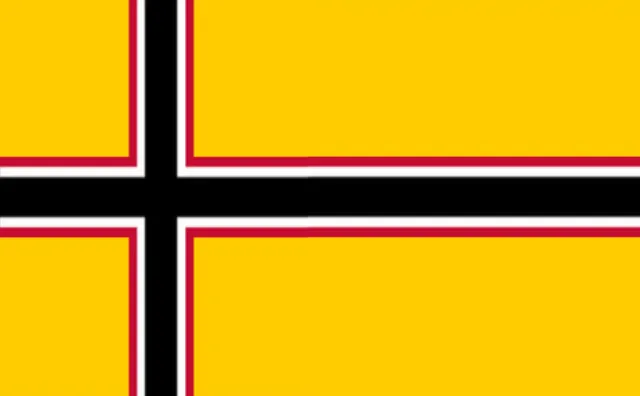
Intergermanisch Språk
by Jakub Urbanczyk
Wällkommen til ons Lingokonsait för de Intergermanisch språk! Wat är de betüdning af Intergermanisch? De Intergermanisch språk mët sine alternative nämnen Tüschengermanisch oder Tüschentüdisch är ein Germanisch zonal hëlpkonstruëret språk, als til forbättere kommunikation turch gëgensidig forständligheit und wittenschap tüschen de sprëkeren af Germanische språken, därför "inter" (tüschen) betüde ein plats ein ander.
pauma
by John Xena
In the world of Gauka, There is greenery and nature everywhere you see, flourished with fauna and vegetation, with wild life and vastly different environments. The nomadic tribes (Tlhalshoki) are native to Gauka, and have been since around 500 AC - 600 AC when they crossed the Saqwa River, a giant river that splits two large land masses, the north being Gauka, and the south being Woru (woh-roo). all of the tribes (despite having slightly different cultures whilst at the same time sharing the same cultural & language/language family) are all united under one near extinct language, Pauma, which keeps them united together. The environments the tribes inhabit span from dry open fields to claustrophobic rainforests and even mountainous terrains. Relatively, about 1500-2000 natives of Tlhalshoki still speak Pauma, the younger generations eventually learn the language too but it takes longer than modernized schooling in urban areas. The Nomadic Tribes have adopted the Latin Alphabet.
Lukian
by Luke Knott
Lukian has 30 letters, 11 digraphs, and 7 dipththongs
Mannabish
by Luke Knott
Mannabish is same as norwegian and icelandic.
Venkeulzen
by aereo :)
A language with semi latin and germanic roots, but overall very different.

Leonese
by L1HXY6
A new language inspired by Spanish,English,Italian,German,Slovenian,Russian and Greek. To not be confused with the iberian Leonese.
Kulusadamik
by Am3tcy
Shanah
by Mr. Blockz
Shanah is the language of the Shana people.
Katemo
by That very cool guy, Sebastian
Syllabic language
Kaksurian
by Mr. Blockz
Kaksurian is the langue of the Kaksi people of Kaku valley
Proto Ejahness
by Mr. Blockz
þäðir
by xdd
just a personal language
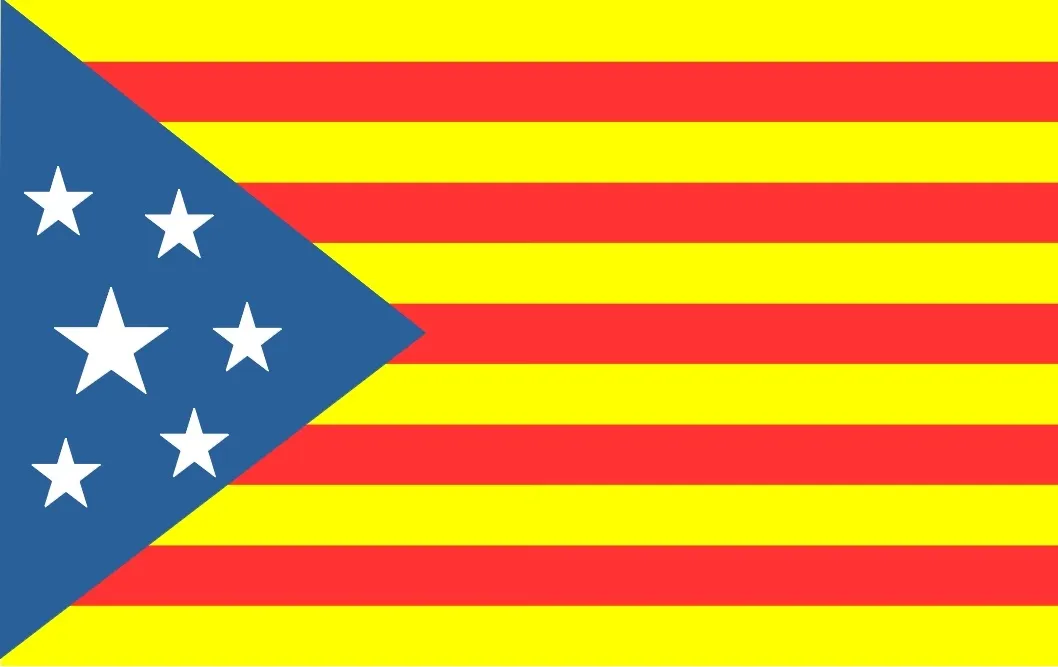
Anglo-American (Americanglish)
by Dmitry L****** - Electronic Modules
Anglo-American “New Americanglish” represents a deliberate and systematic evolution from its historical linguistic ancestors, standing as an independent branch within the Indo-European family. Rather than continuing the Germanic trajectory of its English predecessor, Americanglish has been consciously developed as a junior Iberian-Romance subfamily language, drawing its primary character from the Romance linguistic tradition while incorporating diverse global influences.
Svenski
by Shubh
Smreodian
by Ianis Pavel
West Slavic
Gammelian
by Sasha Kondratskyi
A conlang, that heavily goes on ɣ sound and ᶐ ű wowels. Also lots and lots of glotalized sounds