Browse
Discover 2093 public constructed languages
Saipi
by That very cool guy, Sebastian
Spoken by the people in the country of Sapiko
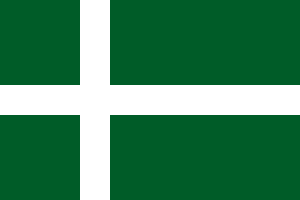
Winlask
by Ethan Crossman
Winlask (Winlask: Winlask [ˈwin.lask]) is a North Germanic language spoken primarily in Winland, a sovereign state located in northeastern North America. Descended from the Old Norse dialects brought by Greenlandic settlers between the 10th and 14th centuries, Winlask developed through centuries of contact with Eastern Abenaki and other Indigenous languages of the region. As a result, it differs substantially from other North Germanic languages in its sound system, grammar, and vocabulary while retaining a predominantly Norse origin. Winlask is the native language of approximately 6.8 million people and serves as one of the official languages of Winland alongside English and Eastern Abenaki. The language evolved from the now-extinct Greenlandic Norse branch and is considered by linguists to be its sole surviving descendant. Today, Winlask is used throughout government, education, media, literature, and public life, and forms an important part of Winlandic national identity.
Katur
by Mr. Blockz
Old Katur was used by the Katuri people of the region of the southern sun
Spinta
by Willa Song
Spinta is the language of the Spintoran people of the desert region of Spintora.
Manka
by Joe
The so called "Sun language", and one of the richest languages by sounds. The word order is SOV. It is spoken in Kenya, Tanzania, and Mozambique.
Sonag
by Coby Scarpaci
Docket
by Alex MikNally
Selado
by Mîng Thàn Erundil
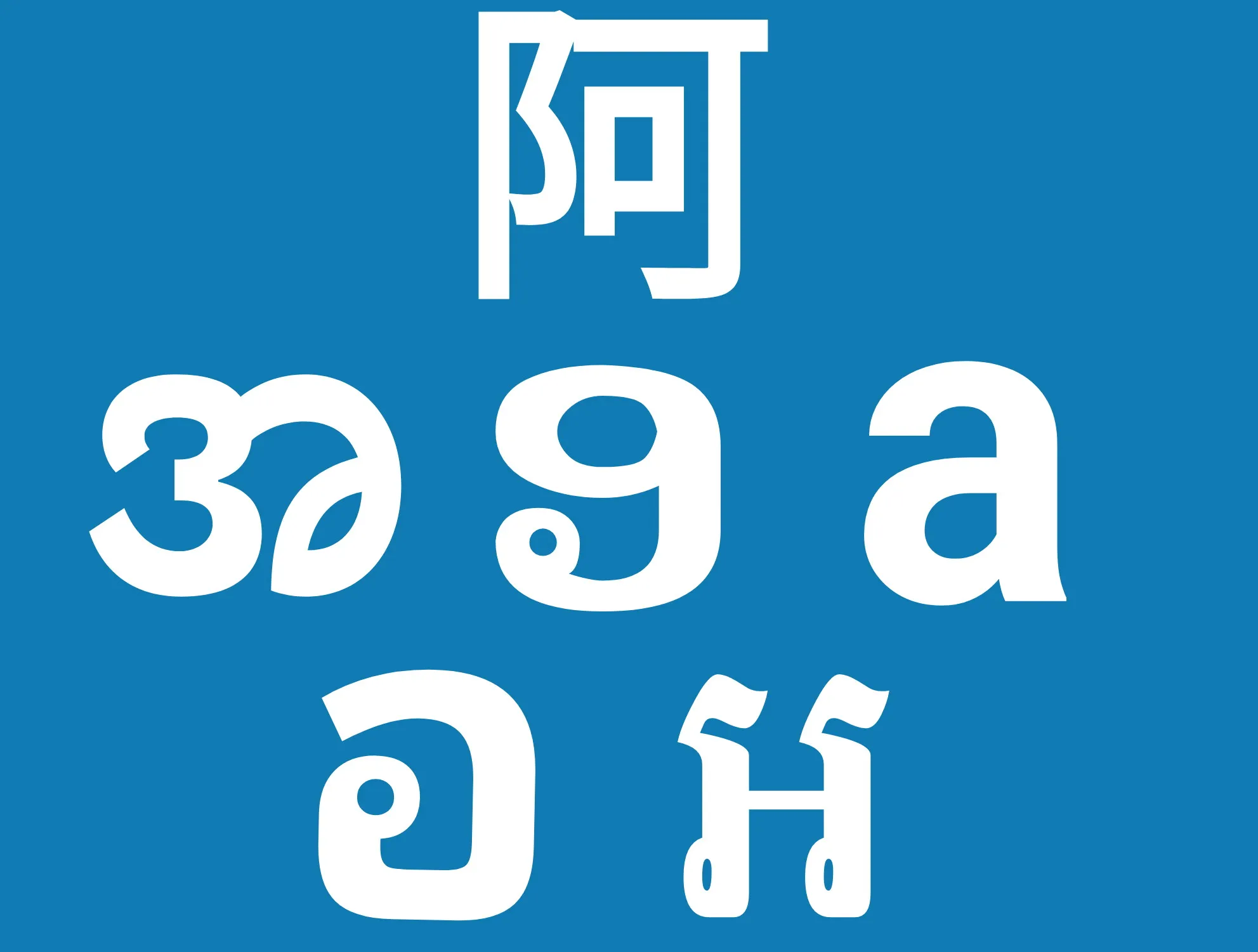
Esperanto-ish auxiliary conlang but for Mainland Southeast Asia
Alogra
by Veofree Veofree
algora
Tsang'hi Language
by Vorsitzenderin Sofia
Tsang’hi (/tsaŋˈhi/) is the largest surviving Oayi language and the best-described member of the Oayi branch, preserving the family’s tonal-harmonic system in its most productive form. It has a compact segmental inventory centred on /m n ŋ ʙ ħ ʘ/ and a six-vowel system /a e i ɨ o u/, with a strong preference for closed roots such as VC, CVC and CVCC. Each vowel-bearing syllable carries one of three tonal readings: falling citation, central linked/topical, or rising affected/processual, producing larger tone grids in compounds. Its phonology is shaped by vowel harmony, consonantal drift, and final nasal whistle releases, with /ŋ n m/ giving high, middle, and low offglides respectively. Morphosyntactically, Tsang’hi is analytic to lightly compounding, with freer clause order than its lexical layout suggests, tone doing much of the grammatical work normally handled by inflection.
Minegomarian
by Lotogun
Bomadalaian
by Lotogun
Barbamarian
by Lotogun
Neredrossian
by Lotogun
Hharagilattian
by Lotogun
Azhetsarahhinian
by Lotogun
Proto-East-Iaffrian
by Lotogun
Proto-West-Iaffrian
by Lotogun
Proto-North-Iaffrian
by Lotogun
Arengahharian
by Lotogun