Lesson 2
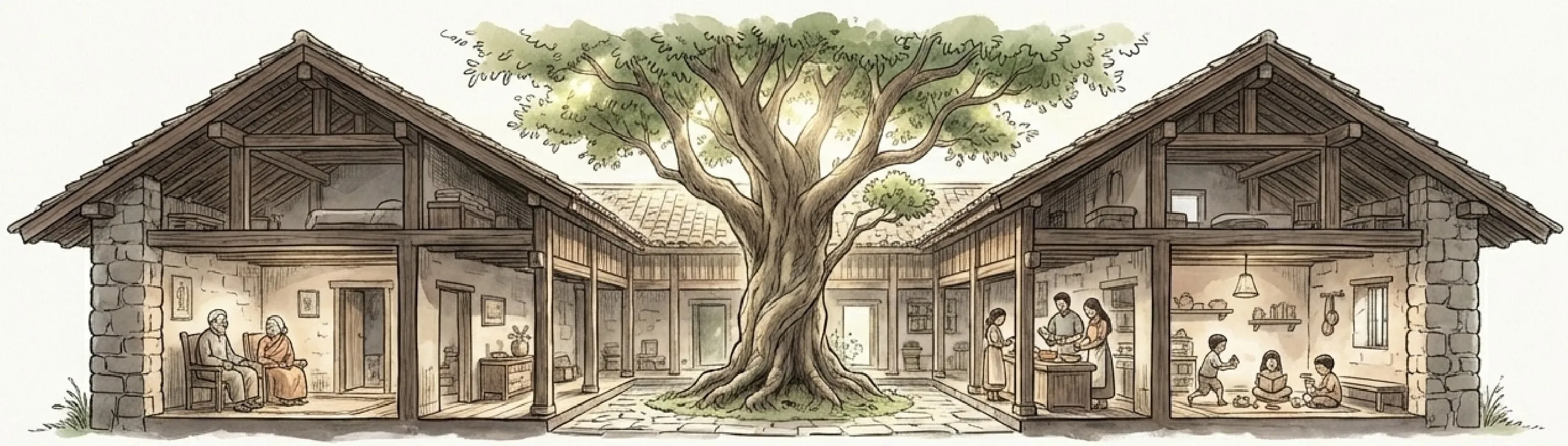
?Zénzat sám kemkē!
Zēnzat sām kemkē? /ˌzeːnˈzät ˈsäːŋ ˈkeŋke/ "What is that?"
This is how you ask about things. It is important to remember that answers must use the oblique case. For example:
?Zénzat sám kemkē! Zēnzat sām kemkē? - "What is that?"
.Sám kem tommik. Sām kemkē tommi. - "That is a house."
Exercise 2: Ask the same question and answer with the things in the image.
non non - /ˈnon/ - bread
gaya gaya - /ˈgäjä/ - tea
túros tūros - /ˈtuːɾʉs/ - cheese
abór abōr - /ˈaboɾ/ - apple
?Kak sám kemkē!
Kak sām kemkē? /ˈkäk ˈsäːŋ ˈkeŋke/ "How is that?"
Unlike other languages, the complement of the verb "to be" ('satu') is also in the oblique case, while the things we talk about are in the subjective case.
.Sám gayak sora. Sām gayak sora. - The tea is hot.
.Sám abórkē tamu. Sām abōrkē tamu. - The apple is sweet.
.Sám túroskē zamaóni. Sām tūroskē zamaōni. - The cheese is tasty.
?Zénnóme sám kemkē!
Zēnnōme sām kemkē? /ˌzeːˈnːoːmɨ ˈsäːŋ ˈkeŋke/ "Where is that?"
In this case, answering this question, those things are in the subjective case, while what comes after the prepositions is in the prepositional case (-n if the word ends in vowel, -ēn if the word ends in consonant).
.Sám nonkē atas pizan. Sām nonkē atas pizan. - The bread is on the table.
.Sám miskik no rokidomén. Sām miskik no rokidomēn. - The sugar is in the cupboard.
Exercise 3: With the help of the vocabulary, write sentences by putting the words in the appropriate case.
.Sám Sām...
.Sám Sām...
.Sám Sām...
.Sám Sām...
adaka - box
atas - on, over
awk - big
dantas - under
dime - small
dingi - calm
erum - mouse
grod - garden
kin - cat
mira - woman
no - in, at
piza - table
saru - happy
tapi - kid
tommi - house
yaru - dog